One AI Now Controls $7 Trillion in Shareholder Votes
JPMorgan replaced human proxy advisors with an algorithm that now influences $7 trillion in shareholder votes. While we debate chatbots, AI is quietly reshaping corporate power.

Building technology that serves people. Documenting the people technology forgets.
I build companies at the intersection of healthcare and artificial intelligence. As CEO of Holman and founder of Lifetria, I work to close the gap between what clinical science knows and what patients actually receive — using machine learning to make diagnostic precision accessible, not exclusive.
The hardest problems in tech are rarely technical. They are human. Organizational. Cultural.
Before that, I spent years scaling enterprise technology across three continents, learning that the code is the easy part. The real challenge is aligning people, navigating organizational complexity, and building cultures that can sustain ambition.
In parallel, I photograph. Conflict zones, displacement camps, communities on the margins of geopolitical attention. The camera is my way of bearing witness — of insisting that the people most affected by the systems we build deserve to be seen, named, and remembered.

JPMorgan replaced human proxy advisors with an algorithm that now influences $7 trillion in shareholder votes. While we debate chatbots, AI is quietly reshaping corporate power.
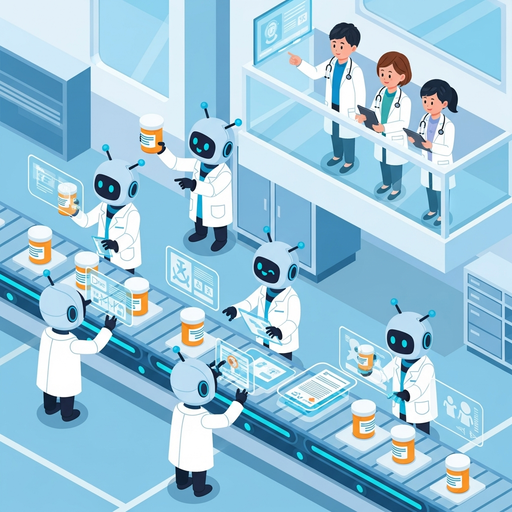
When AI and physicians disagreed on diagnoses, the AI was right four times more often. Utah just approved AI prescription renewals without doctor oversight. The implications go far beyond healthcare.
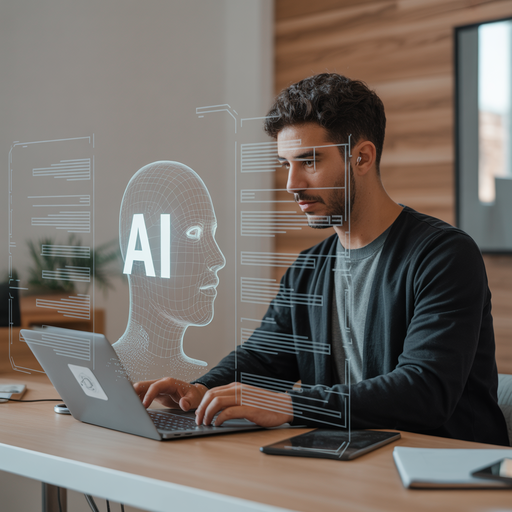
What happens when you treat AI as your first hire instead of a tool? Lessons from delegating real work to an algorithm — and what it teaches about trust, control, and letting go.

The latest models don't just make better pictures — they make pictures that pass. What crossing the uncanny valley means for trust, media, and the future of visual truth.
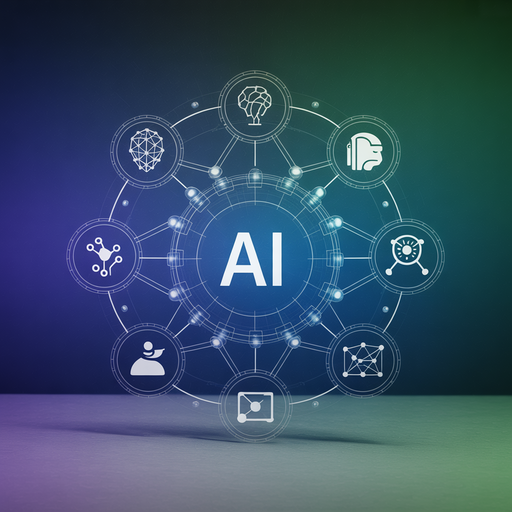
No single AI model dominates anymore. The smartest teams are building multi-model stacks — matching specific models to specific tasks. The era of picking one AI is over.
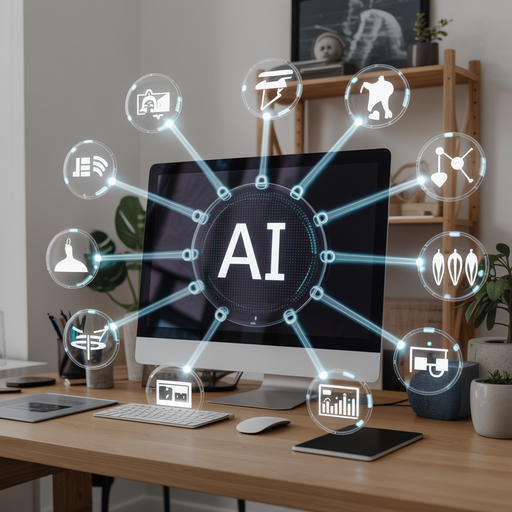
Model Context Protocols quietly changed everything. When your AI can access your calendar, ping Slack, and cross-reference your actual tools, it stops being a chatbot and starts being a colleague.

Whether you're exploring a partnership, planning an event, or working on something at the intersection of health and technology — I'm always open to a conversation.
Book a Conversation